How to Become a Paid UGC Creator: Step-by-Step Guide to Partnering with Brands, Building a Portfolio, and Monetizing Content | Infloq
How to Become a Paid UGC Creator and Work With Brands
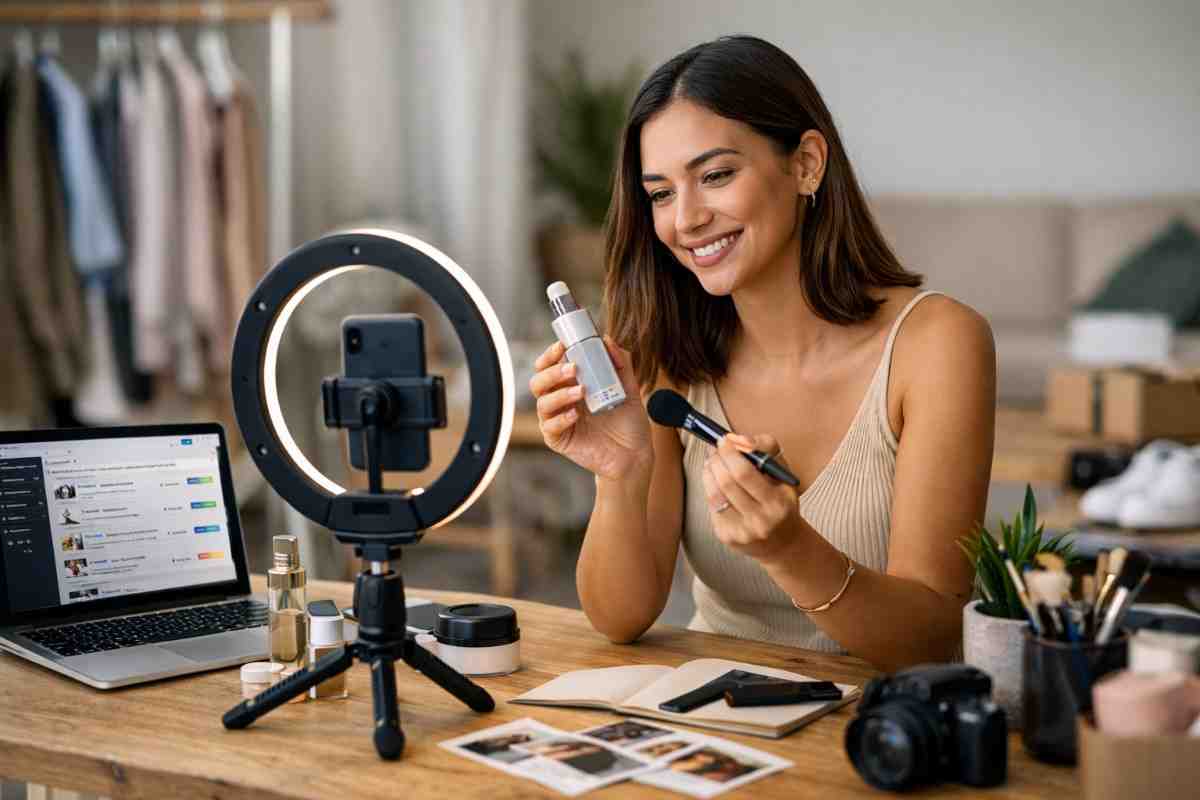
If you have ever wondered how to turn your phone, creativity, and everyday life into a steady income stream, becoming a UGC creator could be your answer. User-generated content has exploded in demand, and brands of every size are actively searching for real, relatable creators to produce authentic content for their campaigns.
The best part? You do not need a massive following to get started. As a UGC creator, brands pay you to make content that they own and publish themselves. You create it, they use it — it is that simple. This guide breaks down exactly how to start, build your UGC creator portfolio, and land your first paid brand collaboration.
What Is a UGC Creator? (And What It Actually Means)
The term UGC creators meaning refers to individuals who produce content — videos, photos, reviews, unboxings, tutorials — that a brand uses in its marketing. Unlike traditional influencers, UGC creators are not required to post on their own channels. Brands pay for the raw content itself.
Key differences from a traditional social media influencer:
- No minimum follower count required
- You sell your content, not your reach
- Ideal for nano influencer and microinfluencer level creators
- Content is used in paid social ads, websites, and email campaigns
Think of yourself as a freelance content creator on demand. Brands operating through any influencer marketing agency or direct outreach can hire you simply for your content creation skills.
How to Start UGC Content Creation From Scratch
Starting your UGC creation journey does not require expensive equipment or prior experience. Here is a practical step-by-step approach.
Step 1 — Pick Your Niche
Brands look for creators who genuinely understand their audience. Popular UGC niches include beauty and skincare, fitness, home and lifestyle, food, tech gadgets, and parenting. Choose one or two areas where you naturally create content or have personal experience.
Step 2 — Practice Creating Content
Before pitching to any brand, build your skills. Study the style of ads that appear on TikTok and Instagram Reels. Practice filming product demos, honest reviews, and lifestyle integrations using products you already own. Good UGC content creation feels real, not staged.
Step 3 — Build a UGC Creator Portfolio
Your UGC creator portfolio is your most important sales tool. It shows brands exactly what type of content you produce. Create 5 to 10 sample pieces — even using your own purchased products — and organise them in a clean format. Include a variety: talking-head videos, B-roll footage, and lifestyle shots.
Host your portfolio on a simple influencer website, a Google Drive folder, or a dedicated influencer platform. Make it easy for brand managers to review your work quickly.
Step 4 — Get Verified on a Creator Platform
One of the most overlooked steps for new UGC creators is joining a verified creator network. Platforms like Infloq maintain a network of verified creators that brands actively browse when setting up campaigns. Once verified, your profile becomes discoverable to brands across multiple niches — without you having to cold pitch every single one.
Infloq uses AI-powered creator matching to connect the right UGC creator with the right brand campaign. Their system validates real engagement data rather than vanity metrics, which means brands using the platform are already looking for authentic creators — not just those with the biggest numbers.
How to Find Brand Collaborations as a UGC Creator
Finding your first brand collab can feel daunting, but there are multiple channels to explore. The key is to be proactive rather than waiting for brands to come to you.
Use an Influencer Marketing Platform Like Infloq
Signing up for an influencer marketing platform is one of the fastest ways to connect with brands. These platforms act as marketplaces where brands post campaigns and creators apply. Infloq is a performance-based influencer marketing platform that enables direct brand-creator connections — removing the middlemen that slow down traditional agency-based processes and saving both time and campaign costs.
What makes Infloq stand out for UGC creators:
- 50,000+ verified creators already on the network — one of the larger talent pools brands can browse
- AI matching with 95% accuracy — creators are matched to campaigns based on niche, audience size, platform, and location
- Performance-based pricing model — brands only pay for actual results, attracting more ROI-focused campaigns for creators to join
- Clear campaign briefs — you receive structured briefs upfront so there is no ambiguity about what the brand needs
- Fast approvals and payout-ready workflows — the platform handles approvals, rights management, and payment tracking in one place
- Real engagement data validation — brands see your actual engagement metrics, not just follower counts
For new UGC creators especially, platforms like Infloq remove the uncertainty of cold outreach. Once you are in the verified network, brand managers can discover and invite you directly into campaigns — making influencer management smoother on both sides.
How Infloq's Campaign Workflow Works for Creators
Once you are active on a platform like Infloq, the typical UGC campaign workflow looks like this:
- Brand creates a campaign with a clear brief, budget, and content requirements
- AI matching identifies the most relevant verified creators (including nano influencers and micro-level ugccreators)
- Creator receives an invite, reviews the brief, and accepts
- Content is produced and submitted through the platform
- Multi-stakeholder approval workflow reviews and signs off the content
- Payment is processed automatically once deliverables are approved
This end-to-end workflow is a significant advantage over informal brand collabs where payment disputes and unclear deliverable expectations are common.
Direct Outreach to Brands
Cold outreach remains one of the most effective strategies alongside platform use. Research brands whose products you genuinely enjoy. Find their marketing or social media contact via LinkedIn or their influencer website and send a brief pitch email with your portfolio link, niche, and content style. Keep it concise and results-focused.
Social Media Influencer Agency Partnerships
A social media influencer agency often manages brand campaigns and sources creators on behalf of their clients. Submitting your profile to relevant agencies adds another discovery channel. Agencies handling influencer management regularly seek new UGC talent, especially creators with strong on-camera presence and versatile content styles.
How Much Can a UGC Creator Earn?
Rates vary based on your experience, niche, deliverable type, and the brand's budget. Here is a general guide for creators entering influencer marketing through UGC:
| Content Type | Beginner Rate | Experienced Rate |
|---|---|---|
| Short Video (15–30s) | $75 – $150 | $200 – $500+ |
| Long-form Video (60s+) | $150 – $300 | $400 – $800+ |
| Photo/Image Pack (3–5) | $50 – $100 | $150 – $350+ |
| Testimonial Video | $100 – $200 | $250 – $600+ |
As you grow, package multiple deliverables together to increase your per-project value. Always charge usage rights fees separately from production fees — this is standard practice in professional influencer marketing. On performance-based platforms like Infloq, your earnings are tied directly to campaign results, which incentivises brands to invest more in creators delivering real ROI.
Tips to Stand Out as a UGC Creator
- Invest in a ring light and basic audio — sound quality matters more than video quality for most brands.
- Join verified creator networks — platforms like Infloq validate real engagement data, so make sure your profile accurately reflects your niche and best content.
- Research every brand before pitching — personalised outreach converts far better than generic templates.
- Deliver on time, every time — reliability is your most underrated asset in any brand collab relationship.
- Track and share your content performance data — even basic engagement stats help brands see the value of working with you again.
- Ask for testimonials from satisfied brands to strengthen your UGC creator portfolio credibility.
Why Brands Are Investing More in UGC Creators
Understanding why brands want UGC will make you a far more effective creator. Brands — from D2C startups to enterprise marketing teams — are shifting budgets toward UGC because it performs better in paid advertising than polished studio content. Authentic, real-person content builds trust faster with audiences who are increasingly immune to traditional advertising.
Key reasons brands invest in UGC content creation:
- Lower production cost compared to agency-produced video assets
- Higher authenticity drives stronger click-through and conversion rates in paid ads
- Scalable — brands can commission 10 or 50 content pieces quickly through influencer platforms
- Performance tracking through platforms like Infloq gives brands deep analytics on engagement, audience demographics, and conversion rates in real time
- ROI-focused — performance-based pricing models mean brands only pay for what actually delivers results
For you as a UGC creator, this shift means the opportunity is only growing. Brands that once relied entirely on influencer marketing agencies are now building their own in-house UGC programmes — and they need creators like you to fill them.
Frequently Asked Questions
Do I need a large following to become a paid UGC creator?
No. UGC creation is not about your audience size. Brands pay for content quality, not reach. Whether you are a nano influencer with 500 followers or have no public profile at all, you can earn as a UGC creator based purely on the content you produce. Platforms like Infloq validate real engagement data, so even smaller creators with genuine audiences get matched with relevant brand campaigns.
What is the easiest way to start getting brand collaborations?
The fastest route for most new UGC creators is joining a dedicated influencer marketing platform. Platforms such as Infloq let you apply as a creator, get verified, and then get discovered by brands actively searching for content talent. You bypass the cold pitch phase entirely because brands come to you through campaign matching.
What should I include in my UGC creator portfolio?
Your portfolio should showcase a range of content types — product demos, testimonials, lifestyle integrations, and B-roll clips. Include videos, photos, and any past brand collaboration examples if available. If you are just starting out in UGC content creation, create sample content using products you own and host it on a clean influencer website or drive folder.
Is UGC the same as influencer marketing?
They overlap but are different. Influencer marketing focuses on distributing content through a creator's own channels and audience. UGC is about creating content assets that brands use in their own channels. You can be both — many social media influencers also offer UGC packages to brands as an additional income stream.
How does performance-based UGC payment work?
On performance-based influencer platforms like Infloq, your payment is aligned with the actual results your content drives — such as clicks, conversions, or engagement rates. This model benefits creators who consistently deliver high-quality content, as brands are motivated to continue working with them. It also removes the ambiguity around payment that is common in informal brand collab arrangements.
Conclusion
Becoming a paid UGC creator is one of the most accessible ways to earn from content today — no huge following required, just strong creative skills and the right strategy. Pick your niche, build your UGC creator portfolio, and get yourself onto a verified influencer platform like Infloq where brands are already searching for creators like you. Your first paid brand collab starts with a single piece of content — so start creating.