TikTok Spark Ads Complete Guide for Creators and Brands in 2025 | Infloq: Creator Discovery, Campaign Management, Approvals, Analytics, Ecommerce & Affiliate Workflows
TikTok Spark Ads: Complete Guide for Creators & Brands in 2025
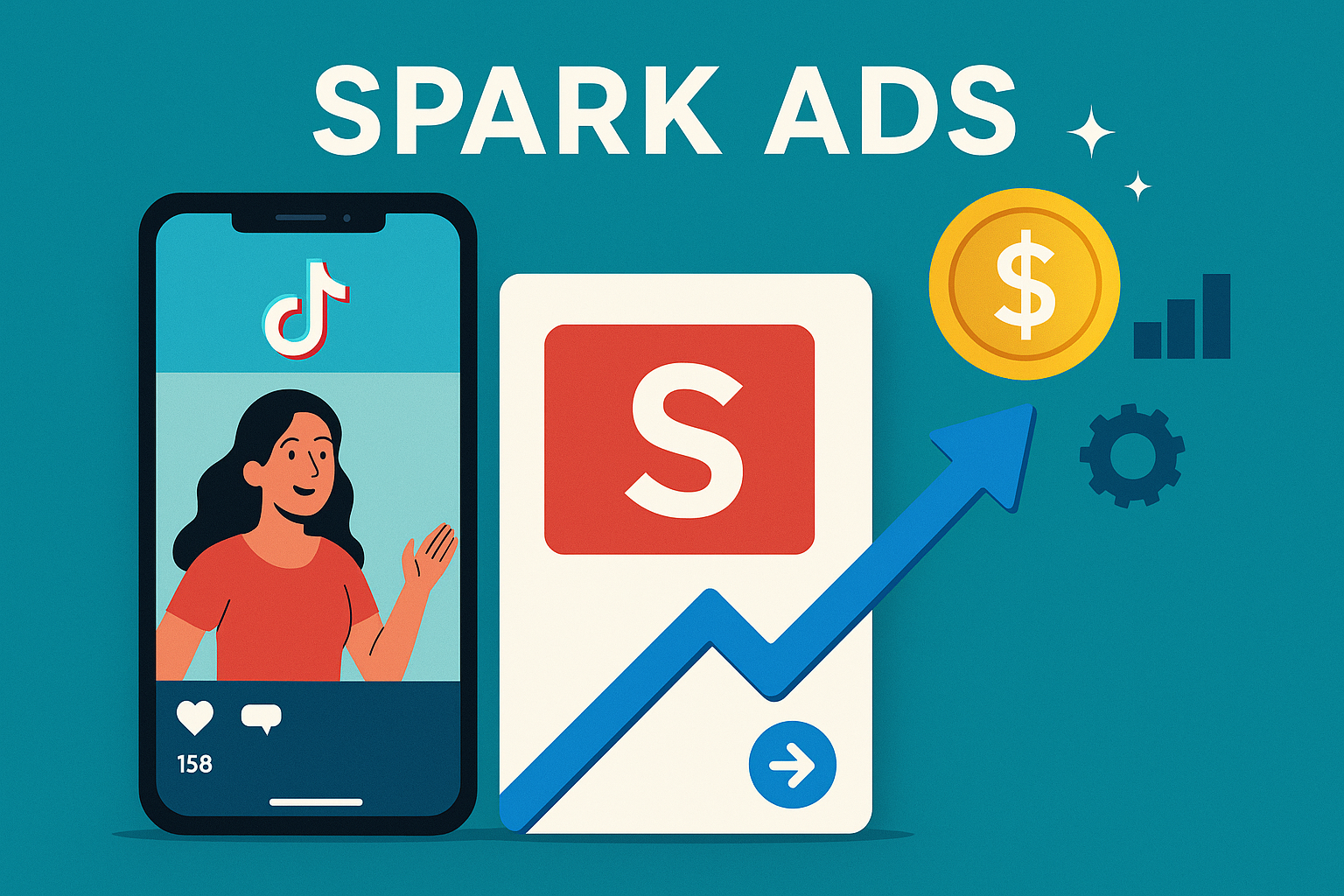
TikTok Spark Ads have revolutionized how brands and creators collaborate, creating a unique advertising format that maintains authenticity while driving results. Unlike traditional ads that feel disruptive, Spark Ads leverage organic content to create seamless, engaging experiences that viewers actually want to watch. This comprehensive guide reveals everything you need to know about monetizing Spark Ads as a creator or leveraging them as a brand.
What Are TikTok Spark Ads?
TikTok Spark Ads represent a game-changing approach to social media advertising. Think of them as the difference between a billboard on the highway and a friend's genuine recommendation. While traditional ads interrupt the user experience, Spark Ads seamlessly integrate into TikTok's For You feed using authentic, organic content.
The magic happens through authorization codes. When a brand wants to promote your organic video, you generate a unique code that grants them permission to amplify your content. The crucial difference? All engagement - likes, comments, shares, and follows - goes directly to your profile, not the brand's account.
Picture this scenario: You post a video trying a new skincare routine that organically gains 50,000 views. A beauty brand notices the engagement and wants to promote it. Instead of creating their own version, they use your Spark Ad authorization code to boost your original video. When it reaches 500,000 views through paid promotion, all 450,000 additional engagements are credited to your account.
The Spark Ads Ecosystem: How Everyone Benefits
For Creators: Monetization Meets Authenticity
Creators gain multiple revenue streams from a single piece of content. Your organic post becomes an asset that brands pay to promote, while you retain complete ownership of the engagement. This creates a sustainable monetization model that doesn't require constantly creating new content for different brands.
The financial benefits extend beyond the initial licensing fee. Increased views and engagement from Spark Ads often lead to organic growth, attracting more followers and future brand partnerships. Many creators report 30-40% increases in their follower growth rate during active Spark Ad campaigns.
For Brands: Performance Meets Authenticity
Brands access high-performing content without the production costs and time investment. Instead of hiring production teams and hoping content resonates, they can identify proven performers and amplify them. Spark Ads typically achieve 25-40% better performance metrics compared to traditional ads because they leverage content that has already demonstrated audience appeal.
The authenticity factor cannot be overstated. When users see content from a real creator's profile, trust levels increase significantly. This translates into higher conversion rates, lower cost-per-click, and improved return on ad spend.
TikTok Spark Ads Qualification Requirements
Creator Eligibility Checklist
To participate in Spark Ads, creators must meet specific requirements that ensure content quality and platform compliance:
Account Requirements:
- Business or Creator Account (Pro Account)
- Minimum age of 18 years
- Account in good standing with no recent policy violations
Technical Setup:
- Enable "Ad Authorization" in Privacy Settings
- Navigate to: Settings → Privacy → Ad Authorization → Toggle ON
- This setting allows you to generate authorization codes for your videos
Geographic Availability:
- Currently available in select markets including Canada, United States, United Kingdom, and most European Union countries
- Availability continues expanding as TikTok rolls out monetization features globally
Content Guidelines:
- Videos must comply with TikTok's Community Guidelines
- Content should follow Advertising Policies (no prohibited products, appropriate language)
- Original content performs better than reposts or heavily edited third-party material
No Follower Minimum: Unlike some monetization programs, Spark Ads have no minimum follower requirement. A nano-creator with 1,000 engaged followers can generate authorization codes just like mega-influencers with millions of followers.
Brand Requirements
Brands interested in using Spark Ads need:
- TikTok Ads Manager account
- Active advertising account with billing information
- Compliance with TikTok's advertising policies
- Minimum campaign budget of $50 per day
How TikTok Spark Ads Authorization Codes Work
The Authorization Process Explained
Authorization codes function like digital keys that unlock promotional rights for specific videos. Each code is unique to one video and cannot be reused or transferred between content pieces.
Step-by-Step Code Generation:
- Select your highest-performing video from your profile
- Tap the three dots (⋯) in the bottom right corner
- Choose "Ad Settings" from the menu
- Select "Ad Authorization"
- Toggle on "Allow others to use this video as an ad"
- Copy the generated authorization code
- Set your preferred duration (7-365 days, default is 30 days)
Code Sharing and Management: Once generated, you share the authorization code directly with brands or through influencer platforms. The code remains active for your specified duration, after which it automatically expires. You can revoke authorization at any time through the same settings menu.
Multiple Brand Usage: The same authorization code can be used by multiple brands simultaneously, though this requires careful management to avoid conflicts. Most creators prefer exclusive arrangements to maintain content authenticity and avoid oversaturation.
TikTok Spark Ads Pricing Strategy for Creators
Industry Standard Pricing Framework
The influencer marketing industry has established pricing benchmarks for Spark Ad authorization codes, typically ranging from 20-25% of a creator's standard content creation rate. However, several factors influence final pricing:
Creator Tier Pricing Structure:
Nano-Influencers (1K-10K followers):
- Base rate: $50-$200 per authorization code
- 30-day licensing: $100-$300
- High-performing content bonus: +50-100%
Micro-Influencers (10K-100K followers):
- Base rate: $200-$800 per authorization code
- 30-day licensing: $400-$1,200
- Viral content premium: +100-250%
Mid-Tier Creators (100K-500K followers):
- Base rate: $500-$2,000 per authorization code
- 30-day licensing: $1,000-$3,000
- Engagement bonus potential: +150-300%
Macro-Influencers (500K-1M followers):
- Base rate: $1,500-$5,000 per authorization code
- 30-day licensing: $2,500-$7,500
- Performance-based scaling: +200-400%
Mega-Influencers (1M+ followers):
- Base rate: $3,000+ per authorization code
- 30-day licensing: $5,000-$15,000+
- Viral content can command $25,000+
Performance-Based Pricing Multipliers
Content Performance Tiers:
- Below Average (under 10K views): 0.5x base rate
- Average Performance (10K-100K views): 1.0x base rate
- High Performance (100K-1M views): 1.5-2.0x base rate
- Viral Content (1M+ views): 2.5-4.0x base rate
Engagement Rate Bonuses:
- Standard Rate (1-3%): No adjustment
- Good Engagement (3-5%): +20% premium
- High Engagement (5-10%): +50% premium
- Exceptional Engagement (10%+): +100% premium
Duration-Based Pricing Models
Licensing Duration Options:
- 7-day boost: 30% of base monthly rate
- 30-day standard: Full base rate (industry standard)
- 60-day extended: 180% of base rate
- 90-day campaign: 250% of base rate
- Annual licensing: 800% of base rate
Advanced Pricing Strategies
Revenue Sharing Models: Some creators negotiate performance-based compensation alongside base fees:
- Base authorization fee: 50-70% of total compensation
- Performance bonus: 2-5% of attributed sales
- View milestone bonuses: $100-$500 per 100K additional views
Package Pricing for Multiple Videos: Creators with consistent content can offer package deals:
- 3-video package: 15% discount
- 5-video package: 25% discount
- Exclusive monthly partnership: 30% discount
Seasonal Premium Pricing: High-demand periods justify premium rates:
- Holiday shopping seasons: +25-50%
- Back-to-school campaigns: +20-35%
- Summer fashion/beauty: +15-30%
Content Performance Factors That Affect Pricing
Video Performance Metrics
View-to-Follower Ratio: This crucial metric indicates content quality beyond follower count:
- Ratio below 0.5: Content underperforming, lower rates justified
- Ratio 0.5-1.0: Standard performance, base rates apply
- Ratio 1.0-2.0: Strong performance, +20-40% premium
- Ratio above 2.0: Exceptional reach, +50-100% premium
Engagement Quality Analysis: Not all engagement carries equal weight in pricing:
- Comments: Highest value, indicates deep engagement
- Shares: Significant value, shows content resonates for redistribution
- Likes: Standard value, baseline engagement metric
- Completion Rate: Critical for video content, affects algorithm favorability
Content Freshness Factor: Timing affects pricing power:
- Fresh viral content (0-7 days): Maximum pricing leverage
- Recent high performers (1-4 weeks): Strong pricing position
- Established content (1-3 months): Standard market rates
- Older content (3+ months): Potentially reduced rates unless evergreen
Audience Quality Considerations
Demographic Alignment: Content that aligns with brand target demographics commands premium pricing:
- Perfect demographic match: +30-50% premium
- Partial overlap: Standard rates
- Demographic mismatch: Potential discount or rejection
Geographic Relevance: Location-based factors influence pricing:
- Target market concentration: +20-40% for high-concentration areas
- Global reach: Standard international rates
- Off-target geography: Potential rate reduction
How to Negotiate Spark Ads Rates
Preparation Strategies
Performance Documentation: Compile compelling data before negotiations:
- Screenshot your video's analytics showing views, engagement rate, and comments
- Document similar content performance across your profile
- Prepare examples of audience demographics and engagement quality
- Gather testimonials from previous Spark Ad campaigns
Market Research: Understand current market conditions:
- Research rates from creators in similar niches and follower ranges
- Monitor industry reports on Spark Ad pricing trends
- Track seasonal demand patterns for your content category
- Analyze competitor pricing strategies
Negotiation Tactics
Value Proposition Framework: Structure your pitch around clear value delivery:
Performance Promise: "This video achieved 150% above-average engagement for my profile, indicating strong audience resonance that should translate to effective paid promotion."
Audience Quality: "My audience has a 95% match rate with your target demographic, and my engagement comes primarily from your key markets."
Content Authenticity: "The organic nature of this content ensures it will maintain authenticity when promoted, leading to better conversion rates than traditional ads."
Exclusivity Offering: Present tiered options:
- Non-exclusive: Base rate, multiple brands can use
- Category exclusive: +25%, exclusive within product category
- Full exclusive: +50%, only your brand can promote this content
Advanced Negotiation Strategies
Performance-Based Bonuses: Propose win-win compensation structures:
- View milestones: Additional payment at 100K, 500K, 1M view marks
- Conversion bonuses: Percentage of attributed sales or sign-ups
- Engagement targets: Bonuses for maintaining specific engagement rates
Long-term Partnership Negotiations:
- Bulk discounts: Lower per-video rates for multiple content pieces
- Monthly retainer: Guaranteed income for consistent authorization access
- First-right-of-refusal: Premium for giving brands first access to new content
Package Deal Structures:
- Content creation + authorization: Bundle new content creation with Spark Ad rights
- Cross-platform packages: Include Instagram, YouTube, or other platform content
- Campaign consulting: Add strategic input as value-added service
Platform Comparison: TikTok Spark Ads vs Other Monetization
TikTok Spark Ads vs Instagram Branded Content
Content Ownership:
- Spark Ads: Creators retain all engagement and follower growth
- Instagram Branded Content: Engagement splits between creator and brand pages
Pricing Structure:
- Spark Ads: Licensing model separate from content creation fees
- Instagram: Typically bundled into overall campaign pricing
Performance Tracking:
- Spark Ads: Creators see real-time performance data
- Instagram: Limited visibility into paid promotion metrics
TikTok Spark Ads vs YouTube Sponsorships
Revenue Model:
- Spark Ads: Licensing existing content + potential performance bonuses
- YouTube: Typically flat fee per sponsored video
Content Lifecycle:
- Spark Ads: Single video can generate multiple revenue streams
- YouTube: One-time payment per video
Audience Growth:
- Spark Ads: Paid promotion drives organic growth
- YouTube: Limited organic boost from sponsored content
TikTok Spark Ads vs Traditional Influencer Posts
Creator Control:
- Spark Ads: Creator maintains content control and profile ownership
- Traditional Posts: Often require specific brand messaging and hashtags
Performance Potential:
- Spark Ads: Unlimited reach through paid amplification
- Traditional Posts: Limited to organic reach
Monetization Multiplier:
- Spark Ads: One video can earn through creation fee + authorization fee + performance bonuses
- Traditional Posts: Single payment per post
Brand Perspective: How to Use Spark Ads Effectively
Content Discovery Strategies
Performance-Based Selection: Brands should prioritize content that has already demonstrated market appeal:
View Count Analysis: Look for videos with view counts significantly higher than the creator's follower count. A creator with 50K followers whose video received 200K views demonstrates content that resonates beyond their established audience.
Engagement Quality: Examine comment quality and quantity. High-value comments indicating intent to purchase, questions about products, or requests for links suggest commercial potential.
Audience Alignment: Use TikTok's audience insights to verify demographic overlap between the creator's audience and your target market. Focus on factors like age, location, interests, and purchasing behavior.
Campaign Strategy Development
Content Integration Approach:
- Seasonal Alignment: Time Spark Ad campaigns to coincide with relevant shopping seasons or trending moments
- Product Context: Choose videos where your product appears naturally rather than forced integrations
- Storytelling Continuity: Select content that aligns with your brand narrative and values
Budget Allocation Framework:
- Testing Phase: Allocate 30% of budget to test multiple creators and content types
- Scaling Phase: Invest 60% in proven high-performers
- Innovation Phase: Reserve 10% for experimental approaches and new creators
Performance Optimization
Campaign Monitoring: Track key metrics that indicate Spark Ad effectiveness:
- Cost Per Click (CPC): Spark Ads typically achieve 25-40% lower CPC than traditional ads
- Conversion Rate: Monitor completion of desired actions (purchases, sign-ups, downloads)
- Brand Lift: Measure increases in brand awareness and consideration
- Creator Growth: Track how campaign success affects creator's audience growth
A/B Testing Strategies:
- Creative Variations: Test different videos from the same creator
- Audience Targeting: Compare broad targeting vs. specific demographic focus
- Campaign Duration: Experiment with short-burst vs. extended campaigns
- Budget Distribution: Test front-loaded vs. evenly distributed spending
Advanced Spark Ads Strategies for Maximum ROI
Creator Partnership Development
Long-term Relationship Building:
- Preferred Partner Programs: Establish ongoing relationships with high-performing creators
- Exclusive Content Rights: Negotiate first access to creator's new content
- Performance Incentives: Create bonus structures that reward exceptional campaign results
Content Co-Creation:
- Collaborative Planning: Work with creators to develop content specifically optimized for Spark Ads
- Product Integration: Provide products for organic integration rather than forced placements
- Campaign Themes: Develop seasonal or campaign-specific content series
Technical Optimization Techniques
Audience Targeting Refinement:
- Lookalike Audiences: Build audiences based on creator's highest-engaging followers
- Interest Layering: Combine creator's audience with product-specific interests
- Behavioral Targeting: Target users who have engaged with similar content or creators
Budget Management Strategies:
- Dayparting: Schedule ads during peak engagement hours for target audience
- Geographic Optimization: Focus spending on regions with highest conversion rates
- Device Targeting: Optimize for mobile-first experiences where TikTok users are most active
Cross-Platform Amplification
Integrated Campaign Approach:
- Multi-Platform Content: Repurpose Spark Ad content for Instagram Reels and YouTube Shorts
- Traffic Coordination: Use Spark Ads to drive traffic to longer-form content on other platforms
- Brand Consistency: Maintain messaging coherence across all platform activations
Common Spark Ads Mistakes and How to Avoid Them
Creator Mistakes
Undervaluing Authorization Codes: Many creators, especially those new to Spark Ads, undervalue their content licensing rights. Remember that successful content represents proven market appeal. A video with 100K organic views has demonstrated its ability to engage audiences – this has tangible value that should be reflected in your pricing.
Poor Contract Management: Failing to establish clear terms around authorization usage can lead to disputes. Always specify:
- Duration limits: Exact start and end dates for code validity
- Usage scope: Specific platforms and geographic regions
- Exclusivity terms: Whether other brands can use the same content
- Performance requirements: Any minimum spend or reach commitments from brands
Neglecting Performance Tracking: Creators who don't monitor their Spark Ad performance miss opportunities for optimization and future negotiations. Track metrics like:
- Incremental growth: Follower increases during campaign periods
- Engagement improvements: Changes in average video performance
- Brand inquiry increases: New partnership opportunities arising from Spark Ad visibility
Brand Mistakes
Content Misalignment: Choosing content solely based on view counts without considering brand alignment often results in poor campaign performance. A viral dance video might have millions of views but be irrelevant for a B2B software company.
Over-Promotion of Single Content: Brands sometimes over-invest in promoting single pieces of content, leading to audience fatigue. Diversify your Spark Ad portfolio across multiple creators and content types to maintain audience interest.
Insufficient Creator Communication: Failing to communicate campaign goals and expectations clearly can lead to misaligned creator behavior during promotion periods. Establish clear guidelines for:
- Creator activity during campaigns: Expectations for continued posting and engagement
- Brand mention protocols: How creators should handle questions about the promoted product
- Performance feedback: Regular updates on campaign metrics and adjustments
Legal and Compliance Considerations
Creator Rights and Responsibilities
Content Ownership Clarity: While you grant promotional rights through authorization codes, you maintain full ownership of your original content. Brands cannot modify, edit, or repurpose your content without explicit additional permission.
Disclosure Requirements: Even though Spark Ads appear organic, creators should understand disclosure obligations:
- FTC Guidelines: In the US, material connections with brands must be disclosed
- Platform Policies: TikTok may require disclosure hashtags or labels
- International Regulations: Different countries have varying disclosure requirements
Revenue Reporting: Spark Ad earnings constitute taxable income in most jurisdictions. Maintain detailed records of:
- Authorization fees received
- Performance bonuses and additional payments
- Business expenses related to content creation
- Platform fees or commissions paid
Brand Legal Considerations
Usage Rights Documentation: Maintain clear documentation of authorization permissions, including:
- Scope of usage rights granted
- Duration and geographic limitations
- Creator approval requirements for campaign modifications
- Termination clauses and procedures
Compliance Monitoring: Brands must ensure Spark Ad campaigns comply with relevant advertising regulations:
- Truth in Advertising: Claims made in creator content must be substantiated
- Industry-Specific Regulations: Additional rules for financial, health, or other regulated industries
- Platform Policy Adherence: Compliance with TikTok's advertising standards
Future of TikTok Spark Ads
Emerging Trends and Opportunities
AI-Enhanced Content Discovery: TikTok is developing AI tools to help brands identify high-potential content for Spark Ads campaigns. These tools will analyze performance patterns, audience behavior, and content characteristics to predict campaign success probability.
Enhanced Analytics Integration: Future updates promise deeper integration between creator analytics and brand campaign data, allowing for more sophisticated performance attribution and optimization strategies.
Cross-Platform Expansion: As TikTok expands its ecosystem, Spark Ads functionality may extend to TikTok Shop, TikTok Live, and potential future platform features, creating additional monetization opportunities.
Market Evolution Predictions
Increased Market Maturity: As the Spark Ads market matures, expect more standardized pricing frameworks and professional management tools. This will likely benefit both creators and brands through increased efficiency and transparency.
Creator Economy Integration: Spark Ads will likely become more integrated with other creator economy tools, including direct brand matching platforms, automated contract management, and performance-based payment systems.
Global Market Expansion: As TikTok continues global expansion, Spark Ads will become available in additional markets, creating new opportunities for international creator collaborations and cross-border campaigns.
Conclusion
TikTok Spark Ads represent a fundamental shift in how brands and creators collaborate, creating sustainable monetization opportunities while maintaining the authenticity that makes TikTok content compelling. For creators, Spark Ads offer a unique opportunity to generate multiple revenue streams from single pieces of content while retaining full control over their audience relationship.
Success in the Spark Ads ecosystem requires understanding both the technical mechanics and strategic considerations. Creators who master pricing strategies, performance optimization, and professional relationship management will find themselves at the forefront of the creator economy evolution.
Brands that embrace Spark Ads as part of comprehensive social media strategies will discover more authentic, cost-effective ways to reach target audiences while supporting creator communities that drive platform engagement.
The future of TikTok Spark Ads looks bright, with platform enhancements, market maturation, and global expansion creating new opportunities for both creators and brands. Those who invest time in understanding and optimizing their Spark Ads approach today will be well-positioned to capitalize on tomorrow's opportunities.
Whether you're a creator looking to monetize your content or a brand seeking authentic engagement, Spark Ads offer a powerful tool for achieving your goals while contributing to the vibrant creator economy that makes TikTok such a dynamic platform.
Start your Spark Ads journey today by enabling ad authorization, analyzing your content performance, and connecting with brands or creators who align with your goals. The opportunity for authentic, profitable collaboration has never been greater.
Ready to calculate your Spark Ads earning potential? Try our TikTok Spark Ads Calculator to determine optimal pricing for your content and campaign strategies.