Influencer Marketing Guide for Brands — Infloq: Strategies for Creator Discovery, Campaign Management, Approvals, Analytics, and Affiliate Partnerships
The Power of Influencer Marketing: What Every Brand Needs to Know
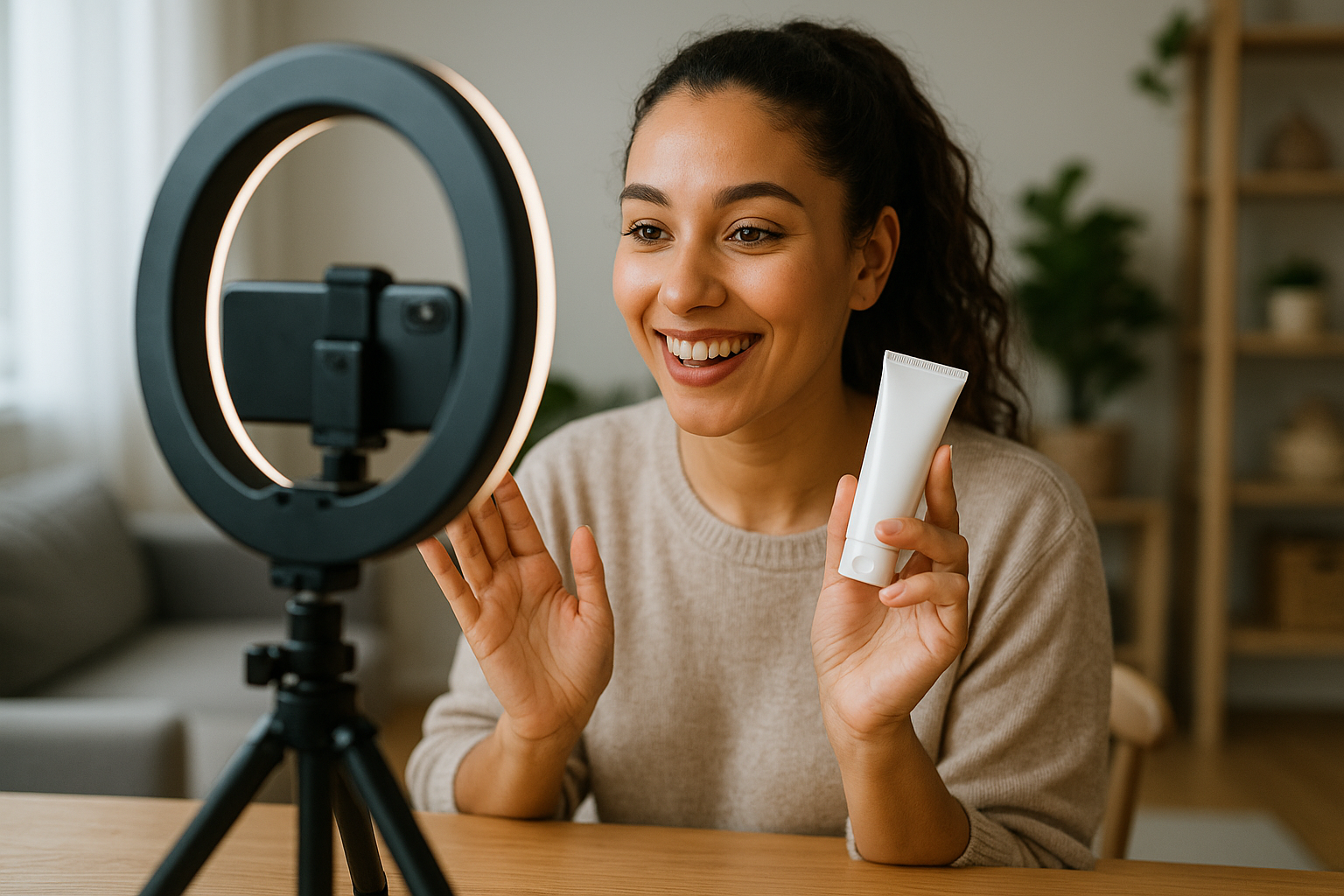
In today's digital landscape, influencer marketing has become one of the most powerful marketing strategies brands can leverage. With consumers increasingly trusting peer recommendations over traditional advertising, partnering with the right social media influencer can dramatically boost your brand's reach and credibility. Whether you're working with an influencer marketing agency or building campaigns in-house, understanding this dynamic marketing channel is essential for modern business success.
What Is Influencer Marketing and Why Does It Matter?
Influencer marketing connects brands with content creators who have established audiences and authentic voices. Unlike traditional advertising, influencer campaigns feel organic because they blend seamlessly into followers' social media feeds. This approach to social marketing delivers impressive results, with studies showing that businesses earn an average of $5.78 for every dollar spent on influencer partnerships.
The beauty of this marketing strategy lies in its versatility. From working with a micro influencer who has 10,000 engaged followers to partnering with celebrity influencers reaching millions, brands can tailor their approach based on budget, goals, and target demographics.
Types of Influencers Every Brand Should Know
Micro Influencers: Small Audience, Big Impact
A micro influencer typically has 10,000 to 100,000 followers and often delivers the highest engagement rate among all influencer tiers. These social influencers maintain closer relationships with their audiences, resulting in more authentic interactions and higher conversion rates. For brands with limited budgets, micro influencer partnerships offer exceptional value, providing targeted reach to highly engaged niche communities while maintaining authenticity and trust that larger influencers struggle to replicate at scale.
AI Influencers: The Future of Digital Marketing
The emergence of ai influencer technology is revolutionizing social media marketing strategy. These computer-generated personalities offer brands complete control over messaging, availability, and brand safety, eliminating concerns about human influencer controversies or scheduling conflicts. While still controversial and raising questions about authenticity, AI influencers represent an innovative frontier in influencer advertising, allowing brands to maintain consistent messaging 24/7 across global markets without human limitations or unpredictable behavior.
Macro and Celebrity Influencers
For brands seeking massive reach, macro influencers (100,000 to 1 million followers) and celebrity partnerships deliver unparalleled visibility. While more expensive, these collaborations can transform brand awareness overnight, placing your product in front of millions of potential customers through a single post or campaign, making them ideal for product launches, brand repositioning efforts, or companies seeking rapid market penetration.
Building an Effective Influencer Marketing Strategy
1. Define Your Campaign Objectives
Before launching an influencer campaign, establish clear goals. Are you focused on brand awareness, driving sales, or generating user generated content? Your objectives will guide influencer selection and campaign structure, determining whether you need reach-focused celebrity partnerships, conversion-driven micro influencer collaborations, or content creation agreements that generate assets for your owned channels and paid advertising campaigns.
2. Choose the Right Influencer Management Approach
Successful brands strategy involves either partnering with an influencer marketing agency or building internal capabilities. Agencies bring expertise and established relationships with vetted creators, negotiation experience, and industry benchmarks that help optimize campaign performance, while in-house teams offer greater control and brand alignment, faster decision-making, direct relationship building with influencers, and deeper integration with overall marketing strategy and company culture.
3. Leverage Performance-Based Marketing Tools
Modern marketing tools are revolutionizing how brands approach influencer partnerships. Performance-based platforms now allow brands to pay only for actual results rather than upfront campaign costs, eliminating financial risk and ensuring marketing budgets deliver measurable returns. These systems use advanced analytics to match brands with verified creators based on real performance data, not guesswork or vanity metrics like follower counts. By connecting analytics directly to showcase engagement rates, audience quality, and conversion metrics, brands can ensure maximum ROI from their influencer investments.
4. Focus on Authentic Partnerships
The most successful marketing and strategies prioritize authenticity over polished perfection. Allow influencers creative freedom while maintaining brand guidelines through collaborative brief development that respects their unique voice and deep understanding of their audience's preferences. This balance produces content that resonates with audiences while achieving business objectives, creating partnerships that feel genuine rather than transactional, and building long-term relationships that compound brand value over time.
Maximizing User Generated Content
User generated content amplified through influencer partnerships creates a powerful trust signal that traditional advertising cannot replicate. When influencers encourage followers to share their own experiences with your product through branded hashtags, challenges, or testimonial campaigns, you create a virtuous cycle of social proof where authentic customer voices validate your brand claims. This approach to social media and marketing strategy transforms customers into brand advocates, generating valuable content assets for your owned channels while building community engagement and reducing content production costs significantly.
Measuring Your Influencer Marketing Success
Track these key metrics to evaluate your influencer market performance:
- Engagement rate - Calculate likes, comments, shares, and saves relative to follower count to understand content resonance and audience interest, with benchmarks varying by platform and industry but typically ranging from 1-5% for quality partnerships
- Reach and impressions - Monitor how many unique users see influencer content and total view counts to assess campaign visibility, comparing organic reach against paid amplification to optimize budget allocation across future campaigns
- Click-through rates and website traffic - Track unique link clicks from influencer posts to measure direct response effectiveness, analyzing traffic quality through bounce rates, time on site, and page depth to ensure audience alignment
- Conversion rates and sales attribution - Measure purchases, sign-ups, or desired actions directly attributed to influencer campaigns using unique discount codes, affiliate links, or UTM parameters to calculate precise ROI and cost per acquisition
- Brand sentiment and awareness lift - Conduct pre and post-campaign surveys to quantify shifts in brand perception, aided recall, and purchase intent among target demographics, providing qualitative context to quantitative performance data
Advanced influencer platforms now provide comprehensive analytics dashboards that visualize all campaign data in real-time, offering interactive grids showing creatives, interactions, and milestones with downloadable reports for stakeholder presentations. By integrating with social platform APIs, brands can automatically fetch influencer metrics and track performance across multiple channels, making data-driven optimization simpler than ever and enabling agile campaign adjustments based on live performance signals.
The Evolution of Influencer Marketing Technology
AI-Powered Influencer Matching
The future of influencer marketing lies in artificial intelligence that removes guesswork from creator selection. Advanced platforms now use AI algorithms to analyze brand requirements and match them with ideal influencers based on actual performance data rather than surface-level metrics like follower counts or engagement rates alone. This technology examines audience demographics, psychographics, engagement patterns, past campaign results, content quality consistency, and brand alignment to create perfect partnerships that maximize campaign effectiveness and minimize wasted spend on mismatched collaborations.
Verified Creator Networks
Quality assurance has become paramount in influencer advertising as fake followers and engagement fraud undermine campaign effectiveness. Leading platforms now implement rigorous verification processes for all creators, examining their metrics through third-party authentication tools, audience authenticity through follower quality analysis, and historical performance through past campaign case studies. This verification ensures brands connect only with legitimate influencers who can deliver genuine results, eliminating concerns about fake followers or inflated engagement numbers that waste marketing budgets.
Streamlined Workflow Management
Modern influencer management requires sophisticated content approval systems that balance efficiency with quality control. Enterprise-grade platforms now offer multi-stakeholder approval workflows with role-based access control, allowing teams to customize approval processes based on content type, campaign sensitivity, and organizational hierarchy. Automated escalation management ensures content moves efficiently through review stages while maintaining quality standards, with notification systems alerting relevant team members at each approval stage and audit trails documenting all decisions for compliance and learning purposes.
Common Influencer Marketing Mistakes to Avoid
Ignoring Engagement Over Follower Count
Many brands make the mistake of prioritizing follower numbers over engagement quality when selecting influencer partners. A social influencer with 50,000 highly engaged followers who actively comment, share, and respond to content typically outperforms one with 500,000 disinterested followers who passively scroll past posts, delivering superior conversion rates and more authentic brand advocacy that drives meaningful business results.
Lack of Clear Guidelines
While creative freedom matters for authentic content creation, providing clear expectations prevents misalignment between brand objectives and influencer deliverables. Successful influencer advertising balances brand requirements with creator authenticity through comprehensive briefs that outline key messages, prohibited claims, disclosure requirements, and approval processes while respecting the influencer's creative process and deep understanding of their audience's preferences and content consumption patterns.
Poor Influencer Vetting
Research potential partners thoroughly before committing campaign budgets to ensure alignment and authenticity. Review their content history for brand safety issues, analyze audience demographics against your target customer profiles, examine past brand collaborations for professionalism and results, check for fake followers using third-party verification tools, and assess engagement quality by reading actual comments to ensure genuine audience relationships rather than bot activity.
Innovative Marketing Ideas for 2025
Stay ahead of the curve with these cutting-edge marketing ideas:
- Performance-Based Compensation - Shift from flat campaign fees to click-based payment systems that align costs with actual results, eliminating financial risk and ensuring marketing budgets deliver measurable returns while incentivizing influencers to create high-performing content that drives conversions
- Long-term Ambassador Programs - Build ongoing relationships rather than one-off campaigns by appointing brand ambassadors who represent your company over 6-12 month periods, creating authentic advocacy, deeper product knowledge, and consistent brand messaging that builds recognition over time
- AI-Driven Campaign Optimization - Use machine learning to continuously analyze and improve campaign performance in real-time, automatically adjusting targeting, budget allocation, and messaging based on performance signals to maximize ROI without constant manual intervention
- Integrated Analytics Ecosystems - Connect all marketing tools and social platforms through API integrations for comprehensive data visibility that eliminates siloed reporting, enabling holistic performance analysis across channels and faster strategic decision-making based on complete campaign intelligence
- Live Shopping Events - Combine influencer reach with real-time purchasing capabilities through platform-native shopping features, creating urgency through limited-time offers and leveraging influencer charisma to drive immediate conversions during livestream demonstrations and Q&A sessions
- Cause-Based Partnerships - Align with influencers who share your brand values for authentic advocacy around social issues, environmental initiatives, or community causes that resonate with target audiences, building emotional connections that transcend transactional relationships and drive long-term loyalty
The Role of Social Media for Influencers
Understanding social media for influencers helps brands create better partnerships by matching content format and platform culture to campaign objectives. Each platform serves different purposes:
- Instagram - Visual storytelling and lifestyle content with high engagement on fashion, beauty, food, and travel niches, utilizing Stories for behind-the-scenes authenticity, Reels for viral reach, and carousel posts for educational content that drives saves and shares
- TikTok - Short-form video and viral trends that favor authentic, unpolished content over professional production, perfect for reaching Gen Z audiences through creative challenges, trend participation, and entertainment-first approaches that build massive organic reach
- YouTube - In-depth reviews and tutorials that build trust through comprehensive product demonstrations, unboxing experiences, and detailed comparisons, ideal for considered purchases and complex products requiring extensive education before conversion
- LinkedIn - B2B influence and thought leadership content that positions influencers as industry experts, perfect for professional services, enterprise software, and career-related products targeting decision-makers and business professionals
A comprehensive social media marketing strategy leverages multiple platforms based on where your target audience spends time, adapting content formats and messaging to each platform's unique culture while maintaining consistent brand positioning across all touchpoints.
Frequently Asked Questions
How much should brands invest in influencer marketing?
Start with 10-30% of your marketing budget, but consider performance-based platforms that eliminate upfront risk and align costs with results. With pay-per-click models, you only invest in actual results, making influencer marketing accessible even for smaller budgets that previously couldn't afford traditional influencer campaign fees. Test with micro influencer campaigns first to validate effectiveness before scaling investment to macro partnerships.
What's the difference between influencer marketing and traditional advertising?
Influencer marketing leverages trusted voices and authentic content created by real people with established audience relationships, while traditional advertising relies on paid media placements that audiences often perceive as interruptive and self-serving. The influencer approach typically generates higher engagement and trust because recommendations come from relatable personalities rather than faceless brands.
How do I find the right influencer for my brand?
Modern AI-powered platforms revolutionize influencer discovery by analyzing your brand requirements and automatically matching you with verified creators based on performance data rather than vanity metrics. These systems evaluate engagement rates, audience quality and demographics, content alignment with brand values, and historical campaign success to identify optimal partnerships. Look for platforms that offer creator verification, integrated analytics, and performance tracking to ensure authentic partnerships that deliver measurable results.
Can small businesses benefit from influencer marketing?
Absolutely. Micro influencer partnerships offer affordable entry points with excellent ROI potential for small businesses operating on limited marketing budgets. These collaborations typically cost $100-$1,000 per post while delivering highly engaged niche audiences, making influencer marketing accessible for companies that previously relied solely on organic social media or paid advertising with uncertain returns.
How long does it take to see results from influencer campaigns?
Some metrics like engagement, reach, and website traffic appear immediately within hours of content publication, while brand awareness lift and sustained sales impact typically become evident within 3-6 months of consistent effort across multiple influencer partnerships. Long-term ambassador programs compound results over time as influencer audiences repeatedly encounter your brand through trusted voices.
Conclusion
The power of influencer marketing lies in its ability to build genuine connections between brands and consumers through trusted intermediaries who bridge the credibility gap that traditional advertising struggles to overcome. By implementing strategic marketing strategies, leveraging the right marketing tools, and partnering with authentic social media influencers who genuinely believe in your products, brands can achieve remarkable growth in today's competitive marketplace where consumer attention is increasingly fragmented and skepticism toward traditional advertising continues rising.
Whether you choose to work with an influencer marketing agency that brings expertise and established relationships or build internal capabilities that offer greater control and brand alignment, the key to success is authentic partnerships built on mutual value exchange, clear measurement through comprehensive analytics platforms, and continuous optimization based on performance data. Start small with micro influencer tests, experiment with different content formats and platform strategies, and scale what works by reinvesting in top-performing partnerships and expanding to similar creator profiles.
The future of marketing is collaborative rather than interruptive, and influencer partnerships represent one of the most powerful tools in your brands strategy arsenal for building awareness, driving consideration, and generating conversions through trusted voices. Ready to harness the power of influencer marketing? Begin by identifying three micro influencers in your niche whose values align with your brand, reach out with personalized partnership proposals that emphasize mutual benefit, and track results meticulously to build your influencer marketing expertise over time.