Infloq Influencer Marketing 2026 Guide: Creator Partnerships, Creator Discovery, Campaign Management, Analytics, Affiliate Partnerships, Ecommerce Workflows, Payments
Influencer Marketing 2026: The Complete Guide to Future-Ready Creator Partnerships
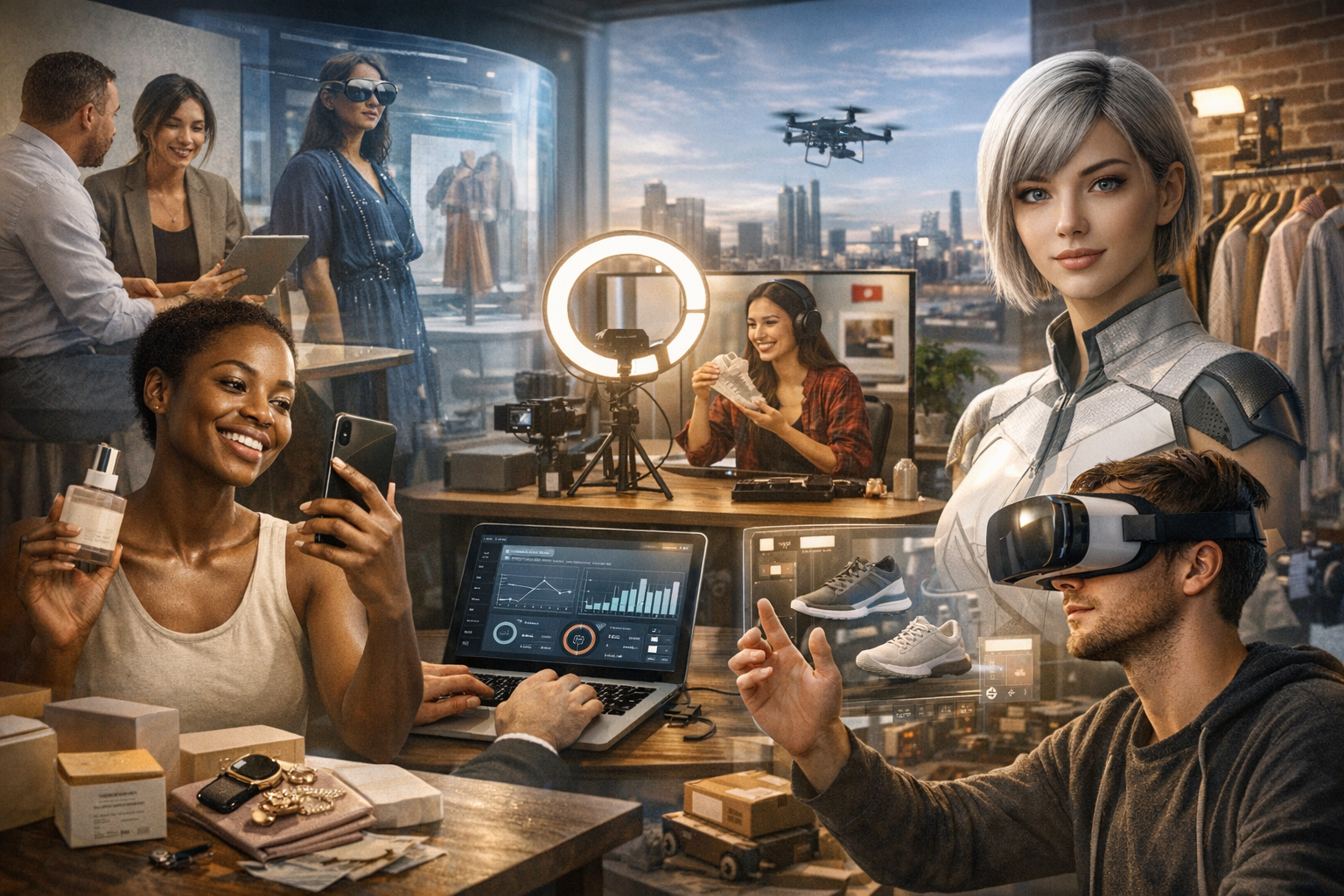
The influencer marketing landscape is undergoing a revolutionary transformation as we approach 2026. With global spending projected to reach $43.9 billion and groundbreaking technologies like AI, VR, and social commerce reshaping how brands connect with audiences, the industry is entering its most dynamic era yet.
This comprehensive guide explores every aspect of influencer marketing in 2026, from emerging technologies and budget allocation strategies to the rising dominance of nano-creators and the evolution of long-term partnerships.
Outline
- The State of Influencer Marketing in 2026
- Budget Revolution: Where Money is Moving
- The Nano-Creator Economy Explosion
- AI Integration and Virtual Influencers
- Immersive Technologies: AR/VR Marketing
- Social Commerce Integration
- Long-Term Partnership Strategies
- Platform-Specific Strategies for 2026
- Performance-Based Marketing Models
- Global Market Trends and Regional Insights
- Authenticity vs. Technology Balance
- Creator Discovery and Vetting
- Campaign Types and Innovation
- Measuring ROI in the New Era
- Legal and Ethical Considerations
- Case Studies: Brands Leading 2026 Trends
- Tools and Platforms for Success
- Future Predictions Beyond 2026
- Implementation Roadmap
- Conclusion
The State of Influencer Marketing in 2026
Market Size and Growth Trajectory
The influencer marketing industry has reached unprecedented heights in 2026:
Market Value Statistics:
- $43.9 billion: Total U.S. creator economy ad spend for 2026 (up from $37.1 billion in 2025)
- $39.33 billion: Global influencer marketing spend projected for 2026
- 21% YoY growth: Direct partnerships with creators increasing to $11.6 billion
- 48% increase: Paid amplification spending reaching $13.2 billion
Investment Allocation:
- 80% of marketing leaders are increasing influencer marketing budgets
- 25% are divesting from traditional marketing channels to fund creator partnerships
- 40% of large brands now allocate at least 25% of advertising budget to creator partnerships
- Creator economy growing 4x faster than broader media industry
Industry Transformation Drivers
Technology Integration:
- AI-powered creator discovery and campaign optimization
- Virtual and augmented reality experiences
- Blockchain-based transparency and payment systems
- Advanced analytics and attribution modeling
Consumer Behavior Shifts:
- 64% of consumers more willing to buy when brands partner with favorite influencers
- 83% prefer sponsored influencer content over brand content for engagement
- Increased demand for authentic, unpolished content
- Cross-generational creator consumption patterns
Platform Evolution:
- Enhanced social commerce features across all major platforms
- Live streaming commerce integration
- Creator monetization tool improvements
- Algorithm changes favoring authentic engagement
Budget Revolution: Where Money is Moving
2026 Budget Allocation Breakdown
Spending Distribution:
- $11.6 billion: Direct creator partnerships (21% increase)
- $13.2 billion: Social media paid amplification (48% increase)
- $11.1 billion: Cross-platform amplification (56% increase)
- $8.2 billion: Performance-based affiliate partnerships
Budget Shifts by Company Size:
- Enterprise (1000+ employees): 35-45% of marketing budget to influencer partnerships
- Mid-market (100-999 employees): 25-35% allocation
- Small business (1-99 employees): 15-25% allocation
- Startups: 40-60% allocation (digital-first approach)
Strategic Budget Reallocation
Traditional to Digital Migration:
- 30% reduction in TV advertising spend
- 25% decrease in print media investment
- 15% shift from outdoor advertising
- 40% increase in creator-led content production
Performance-Based Investment:
- Affiliate partnerships showing 35% higher ROI
- Commission-based models reducing campaign risk
- Success-fee structures gaining popularity
- Conversion-focused budget allocation
ROI Expectations and Benchmarks
Industry ROI Standards:
- Nano-creators (1K-10K): $8-12 return per $1 spent
- Micro-creators (10K-100K): $6-10 return per $1 spent
- Macro-creators (100K-1M): $4-8 return per $1 spent
- Mega-creators (1M+): $3-6 return per $1 spent
Performance Metrics Driving Budget Decisions:
- Cost per authentic engagement
- Conversion rate from creator content
- Lifetime customer value from influencer traffic
- Brand awareness lift measurement
The Nano-Creator Economy Explosion
Why Nano-Creators Dominate 2026
Engagement Superiority:
- 8.8% engagement rate for nano-creators vs. 1.21% for macro-influencers
- Higher comment quality and meaningful interactions
- Stronger community relationships and trust
- More affordable testing ground for new campaigns
Market Adoption:
- 44% of brands prioritize nano-influencer collaborations
- 58% of marketers plan to work with nano-creators in 2026
- 75% of Instagram influencers fall into nano-category
- Cost-effectiveness driving mainstream adoption
Nano-Creator Strategy Implementation
Discovery Methods:
- AI-powered micro-influencer identification tools
- Hashtag and niche community analysis
- Employee advocacy program expansion
- User-generated content creator recruitment
Partnership Models:
- Product gifting with performance bonuses
- Revenue-sharing affiliate programs
- Long-term brand ambassador contracts
- Co-creation and collaborative partnerships
Nano-Creator Campaign Types
Community-Driven Campaigns:
- Local market penetration strategies
- Niche hobby and interest targeting
- Authentic product integration
- Peer-to-peer recommendation systems
Content Collaboration:
- User-generated content campaigns
- Behind-the-scenes access programs
- Product development feedback loops
- Community challenge initiatives
AI Integration and Virtual Influencers
The $45.88 Billion Virtual Influencer Market
Market Projections:
- Virtual influencer market reaching $45.88 billion by 2030
- 40.8% compound annual growth rate from 2025
- 24/7 content availability reducing campaign costs
- Risk mitigation through controlled digital personas
AI-Powered Campaign Management:
- Automated creator discovery and matching
- Real-time performance optimization
- Sentiment analysis and engagement prediction
- Content creation assistance and enhancement
Virtual Influencer Implementation
Types of Virtual Influencers:
- CGI Characters: Fully computer-generated personas
- AI Avatars: Real person digital twins
- Hybrid Models: Human-AI collaborative content
- Brand Mascots: Corporate character influencers
Best Practices for Virtual Campaigns:
- Transparency in AI usage (83% consumer expectation)
- Authentic personality development
- Consistent character voice and values
- Human backup for complex interactions
AI Tools for Creator Management
Discovery and Analytics:
- Audience authenticity verification
- Engagement pattern analysis
- Performance prediction algorithms
- Fraud detection systems
Content Optimization:
- AI-generated content suggestions
- Trend prediction and timing
- Cross-platform content adaptation
- Performance enhancement recommendations
Immersive Technologies: AR/VR Marketing
The $421 Billion Immersive Media Market
Market Growth:
- Immersive media market growing from $46.40 billion (2025) to $421.06 billion (2035)
- 40% of top brands running weekly immersive campaigns by 2026
- 20% of e-commerce expected to be live immersive by 2026
- AR glasses adoption driving mainstream acceptance
VR/AR Integration Opportunities:
- Virtual product demonstrations
- Immersive brand experiences
- 360-degree content creation
- Interactive shopping environments
Platform-Specific AR/VR Strategies
Snapchat AR Integration:
- Custom AR lens creation with influencers
- AI-assisted filter development
- Brand-creator collaborative AR experiences
- Shopping integration within AR environments
Meta VR Partnerships:
- Virtual event hosting with influencers
- Immersive product launches
- VR shopping experiences
- Creator-led virtual tours
TikTok Effect Marketing:
- Branded effect creation
- Challenge campaigns with AR elements
- Creator effect collaborations
- Viral AR trend participation
Implementation Roadmap for Immersive Marketing
Phase 1: Pilot Programs (0-3 months)
- Simple AR filter collaborations
- Basic VR content testing
- Creator education on immersive tools
- Performance baseline establishment
Phase 2: Scaled Integration (3-6 months)
- Multi-platform AR campaigns
- VR event partnerships
- Advanced effect development
- ROI measurement and optimization
Phase 3: Full Immersive Strategy (6+ months)
- Custom VR experience creation
- AR commerce integration
- Cross-platform immersive campaigns
- Industry thought leadership positioning
Social Commerce Integration
The $2 Trillion Social Commerce Revolution
Market Size and Growth:
- Social commerce reaching $2 trillion by 2026
- 20% of online sales through live streaming by 2026
- Seamless integration of browsing and buying
- Platform-native shopping experiences
Platform Shopping Features:
- TikTok Shop expansion and optimization
- Instagram Shopping tag evolution
- YouTube Product integration
- LinkedIn B2B commerce tools
Live Commerce Strategies
Live Streaming Shopping:
- Influencer-hosted shopping shows
- Real-time product demonstrations
- Interactive Q&A sessions
- Limited-time exclusive offers
Platform-Specific Implementation:
- TikTok: Short-form product showcases with instant purchase
- Instagram: Live shopping events with story integration
- YouTube: Long-form educational product content
- Facebook: Community-driven shopping experiences
Creator Store Integration
Influencer Storefronts:
- Personalized creator shops
- Curated product collections
- Affiliate integration systems
- Brand partnership showcases
Revenue Sharing Models:
- Commission-based partnerships
- Fixed fee plus performance bonuses
- Profit-sharing arrangements
- Equity-based long-term deals
Long-Term Partnership Strategies
The Shift to Sustained Collaborations
Partnership Duration Trends:
- Average campaign length increasing from 3 to 12 months
- Brand ambassador programs expanding
- Equity-based creator partnerships growing
- Year-round storytelling approach adoption
Benefits of Long-Term Partnerships:
- Higher consumer trust and brand association
- Consistent messaging and brand narrative
- Reduced per-campaign costs
- Creator expertise development
Ambassador Program Development
Program Structure:
- Tier 1: Product gifting and occasional collaborations
- Tier 2: Monthly content requirements with compensation
- Tier 3: Exclusive partnerships with equity participation
- Tier 4: Creator advisory roles and profit sharing
Selection Criteria:
- Brand value alignment assessment
- Long-term growth potential
- Content quality consistency
- Audience demographic match
Creator Development Investment
Education and Training:
- Brand storytelling workshops
- Product knowledge sessions
- Content creation skill development
- Performance optimization training
Resource Provision:
- Professional photography support
- Content creation tools access
- Early product access programs
- Event and experience invitations
Platform-Specific Strategies for 2026
TikTok: Algorithm-First Approach
2026 TikTok Trends:
- AI-assisted content creation tools
- Enhanced creator fund monetization
- Advanced shopping integration
- Cross-platform content syndication
Strategy Elements:
- Trend participation timing optimization
- Sound and effect collaboration
- Challenge campaign creation
- Live shopping event hosting
Instagram: Visual Commerce Hub
Instagram Evolution:
- Enhanced Reels monetization
- Advanced shopping tags
- Creator subscription models
- AR filter shopping integration
Partnership Tactics:
- Story-to-feed content strategies
- IGTV educational content
- Shopping tag optimization
- Creator collaboration tools
YouTube: Long-Form Authority
YouTube 2026 Features:
- Enhanced creator analytics
- Improved monetization options
- Advanced product integration
- Community post commerce
Content Strategies:
- Educational product content
- Behind-the-scenes brand stories
- Creator collaboration series
- Live streaming events
LinkedIn: B2B Influence Power
Professional Creator Marketing:
- Industry thought leadership
- B2B product demonstrations
- Professional service promotion
- Company culture showcasing
Partnership Models:
- Executive creator partnerships
- Industry expert collaborations
- Professional development content
- Business tool demonstrations
Emerging Platforms
Platform Diversification:
- BeReal authentic moment marketing
- Clubhouse audio content partnerships
- Discord community building
- Twitch gaming and lifestyle content
Performance-Based Marketing Models
Affiliate Partnership Evolution
Affiliate Model Benefits:
- Pay-for-performance structure
- Reduced campaign risk
- Scalable partnership development
- Clear ROI measurement
Commission Structures:
- Standard Rate: 5-15% of sale value
- Tiered System: Increasing rates with performance
- Hybrid Model: Base fee plus commission
- Exclusive Partnerships: Premium rates for exclusivity
Attribution and Tracking
Advanced Attribution Methods:
- Multi-touch attribution modeling
- Cross-platform tracking systems
- Customer lifetime value measurement
- Brand awareness lift studies
Technology Solutions:
- Blockchain-based transparency
- AI-powered attribution analysis
- Real-time performance dashboards
- Predictive ROI modeling
Performance Incentive Programs
Bonus Structures:
- Viral content achievement bonuses
- Engagement rate milestones
- Sales target reward systems
- Long-term performance incentives
Gamification Elements:
- Creator leaderboards
- Achievement badge systems
- Performance challenges
- Community recognition programs
Global Market Trends and Regional Insights
Regional Market Analysis
North America:
- $43.9 billion market size
- Focus on AI and technology integration
- Premium pricing for established creators
- Advanced analytics and measurement
Europe:
- GDPR compliance requirements
- Sustainability-focused partnerships
- Multi-language content strategies
- Cross-cultural creator collaborations
Asia-Pacific:
- Rapid mobile commerce growth
- Live streaming dominance
- Platform-specific strategies (WeChat, TikTok)
- Micro-transaction monetization
Latin America:
- Emerging creator economy
- Mobile-first content consumption
- Local influencer preference
- Cost-effective partnership opportunities
Cultural Considerations
Content Localization:
- Cultural sensitivity in partnerships
- Local trend participation
- Language adaptation strategies
- Regional platform preferences
Compliance Requirements:
- Advertising disclosure regulations
- Data privacy considerations
- Platform-specific guidelines
- International tax implications
Authenticity vs. Technology Balance
Maintaining Human Connection
Authenticity Priorities:
- Real creator experiences and stories
- Unscripted content moments
- Genuine product usage demonstrations
- Transparent partnership disclosures
Technology Enhancement:
- AI-assisted content optimization
- Advanced editing tools
- Performance analytics integration
- Automated administrative tasks
Consumer Expectations
Transparency Requirements:
- Clear AI usage disclosure
- Authentic creator opinions
- Honest product feedback
- Behind-the-scenes content sharing
Trust Building Elements:
- Consistent creator personality
- Long-term brand relationships
- Community engagement authenticity
- Real-world creator interactions
Balancing Automation and Humanity
Automated Processes:
- Creator discovery and matching
- Performance tracking and reporting
- Payment processing systems
- Content scheduling and distribution
Human Elements:
- Creative strategy development
- Relationship building and management
- Content quality assessment
- Crisis management and communication
Creator Discovery and Vetting
AI-Powered Discovery Methods
Advanced Search Capabilities:
- Semantic content analysis
- Audience demographic matching
- Engagement pattern recognition
- Growth trajectory prediction
Vetting Algorithms:
- Authenticity verification systems
- Fake follower detection
- Engagement quality assessment
- Brand safety compliance checking
Manual Vetting Processes
Creator Evaluation Criteria:
- Content quality consistency
- Audience engagement authenticity
- Brand value alignment
- Professional communication skills
Background Research:
- Social media history review
- Controversy and crisis assessment
- Previous partnership performance
- Professional reference checking
Creator Relationship Management
CRM System Integration:
- Creator profile databases
- Performance history tracking
- Communication log management
- Contract and payment systems
Relationship Building:
- Regular check-in schedules
- Performance feedback sessions
- Creative collaboration meetings
- Industry event invitations
Campaign Types and Innovation
Innovative Campaign Formats
Immersive Experience Campaigns:
- VR product demonstrations
- AR try-on experiences
- 360-degree content creation
- Interactive shopping journeys
Community-Driven Initiatives:
- Creator collective partnerships
- User-generated content campaigns
- Social cause collaborations
- Educational content series
Cross-Platform Storytelling:
- Multi-platform narrative campaigns
- Sequential content releases
- Platform-specific adaptations
- Integrated shopping experiences
Emerging Campaign Technologies
Blockchain Integration:
- NFT collaboration campaigns
- Transparent payment systems
- Digital asset partnerships
- Decentralized creator platforms
AI-Enhanced Campaigns:
- Personalized content creation
- Dynamic campaign optimization
- Predictive performance modeling
- Automated A/B testing
Seasonal and Event-Based Campaigns
Holiday Campaign Planning:
- Creator advent calendars
- Seasonal product launches
- Holiday shopping guides
- Year-end reflection content
Event Marketing:
- Live event coverage
- Product launch partnerships
- Conference and trade show content
- Behind-the-scenes access
Measuring ROI in the New Era
Advanced Analytics Framework
Multi-Touch Attribution:
- Customer journey mapping
- Cross-platform interaction tracking
- Lifetime value calculation
- Brand awareness measurement
Real-Time Performance Metrics:
- Engagement velocity tracking
- Sentiment analysis monitoring
- Conversion rate optimization
- Revenue attribution analysis
KPI Evolution for 2026
Traditional Metrics:
- Reach and impressions
- Engagement rates
- Click-through rates
- Conversion percentages
Advanced Metrics:
- Brand sentiment lift
- Customer lifetime value impact
- Share of voice changes
- Advocacy measurement
Predictive Metrics:
- Future engagement prediction
- Churn probability analysis
- Growth potential assessment
- Viral content probability
ROI Optimization Strategies
Performance Enhancement:
- Content optimization recommendations
- Timing and frequency adjustments
- Audience targeting refinement
- Creative format testing
Cost Reduction Methods:
- Efficient creator discovery
- Automated campaign management
- Performance-based pricing
- Long-term partnership negotiations
Legal and Ethical Considerations
Compliance Requirements 2026
Disclosure Regulations:
- FTC compliance for sponsored content
- Platform-specific disclosure requirements
- International advertising law compliance
- Transparency in AI usage
Data Privacy Considerations:
- GDPR and CCPA compliance
- Creator data protection
- Audience data handling
- Cross-border data transfer
Ethical Partnership Practices
Fair Compensation Standards:
- Industry rate guidelines
- Payment timeline requirements
- Creative ownership rights
- Performance bonus structures
Content Guidelines:
- Brand safety requirements
- Appropriate content standards
- Crisis communication protocols
- Reputation management strategies
Intellectual Property Rights
Content Ownership:
- Creator content rights
- Brand usage permissions
- Cross-platform distribution rights
- Long-term usage agreements
Trademark and Copyright:
- Brand asset usage guidelines
- Music and sound licensing
- Image and video rights
- Third-party content considerations
Case Studies: Brands Leading 2026 Trends
Technology Integration Success Stories
Case Study 1: Fashion Brand AR Revolution A major fashion retailer integrated AR try-on experiences with micro-influencers, resulting in:
- 300% increase in conversion rates
- 65% reduction in return rates
- 150% improvement in engagement
- $5M additional revenue in Q1 2026
Case Study 2: Food Brand Nano-Creator Campaign A sustainable food company partnered with 500 nano-creators for:
- 800% ROI on campaign investment
- 40% increase in brand awareness
- 25% growth in new customer acquisition
- 90% positive sentiment improvement
Long-Term Partnership Models
Case Study 3: Tech Company Creator Advisory Board A software company created a creator advisory board featuring:
- 12-month exclusive partnerships
- Equity participation for top creators
- Product development collaboration
- $10M revenue attributed to creator input
Case Study 4: Beauty Brand Global Collective A cosmetics brand built a global creator collective with:
- 100 creators across 25 countries
- Localized content for regional markets
- 400% increase in international sales
- 50% reduction in customer acquisition costs
Performance-Based Success
Case Study 5: Fitness Brand Affiliate Revolution A fitness equipment company implemented affiliate-only partnerships:
- 600% increase in affiliate revenue
- 30% reduction in overall marketing costs
- 85% of sales through creator partnerships
- 95% creator satisfaction rate
Tools and Platforms for Success
AI-Powered Creator Discovery
Leading Platforms:
- Infloq: AI-driven creator matching and campaign management
- AspireIQ: Advanced analytics and relationship management
- Grin: Comprehensive creator marketing platform
- Creator.co: Performance-focused partnership tools
Key Features:
- Automated creator discovery
- Authenticity verification
- Performance prediction
- ROI optimization
Analytics and Measurement Tools
Performance Tracking:
- Sprout Social: Social media analytics and management
- Hootsuite: Multi-platform performance monitoring
- Brandwatch: Advanced social listening and sentiment analysis
- Klear: Influencer analytics and fraud detection
Attribution and ROI:
- Triple Whale: E-commerce attribution
- Northbeam: Customer journey mapping
- Hyros: Advanced ad tracking
- Wicked Reports: Multi-touch attribution
Content Creation and Management
Creative Tools:
- Canva: AI-assisted design platform
- Loom: Video creation and sharing
- Later: Content planning and scheduling
- Planoly: Visual content management
Collaboration Platforms:
- Asana: Project management and collaboration
- Slack: Communication and workflow
- Notion: Documentation and planning
- Monday.com: Campaign management
Future Predictions Beyond 2026
Technology Evolution
2027-2030 Predictions:
- Full AR/VR mainstream adoption
- AI-generated content dominance
- Blockchain creator verification
- Neural interface marketing
Emerging Technologies:
- Haptic feedback marketing
- Brain-computer interface advertising
- Quantum computing optimization
- Advanced deepfake detection
Market Evolution
Industry Transformation:
- Creator-owned platforms emergence
- Decentralized creator economies
- Global creator currency systems
- AI creator agencies
Consumer Behavior:
- Immersive content expectation
- AI transparency demands
- Sustainability focus increase
- Personalization extremes
Platform Development
New Platform Types:
- VR-native social platforms
- AI-powered discovery engines
- Blockchain creator networks
- Neural interface communication
Feature Evolution:
- Real-time content optimization
- Predictive audience matching
- Automated campaign creation
- Advanced sentiment integration
Implementation Roadmap
Phase 1: Foundation Building (Months 1-3)
Infrastructure Development:
- Creator discovery platform selection
- Analytics tool implementation
- Team training and education
- Initial creator partnerships
Budget Allocation:
- 40% to creator partnerships
- 30% to technology tools
- 20% to content creation
- 10% to testing and optimization
Phase 2: Strategy Optimization (Months 4-6)
Performance Enhancement:
- Campaign optimization based on data
- Creator relationship deepening
- Technology integration expansion
- ROI measurement refinement
Scale Expansion:
- Creator network growth
- Platform diversification
- Campaign complexity increase
- International market entry
Phase 3: Innovation Leadership (Months 7-12)
Advanced Implementation:
- Cutting-edge technology adoption
- Industry thought leadership
- Creator advisory board development
- Predictive optimization implementation
Market Positioning:
- Innovation showcase campaigns
- Industry conference participation
- Case study development
- Best practice sharing
Ongoing Optimization
Continuous Improvement:
- Monthly performance reviews
- Quarterly strategy adjustments
- Annual goal setting
- Technology upgrade planning
Innovation Adoption:
- Emerging technology testing
- Platform beta participation
- Creator tool experimentation
- Industry trend monitoring
Ready to Dominate Influencer Marketing in 2026?
The influencer marketing landscape of 2026 offers unprecedented opportunities for brands willing to embrace innovation while maintaining authentic human connections. Success requires a strategic blend of cutting-edge technology, genuine creator relationships, and data-driven optimization.
Key success factors include:
- Technology Integration: Leveraging AI, VR, and social commerce while preserving authenticity
- Creator Relationships: Building long-term partnerships with diverse creator tiers
- Performance Focus: Implementing measurable, ROI-driven campaign strategies
- Global Perspective: Understanding regional differences and cultural nuances
- Future Readiness: Preparing for continued evolution and technological advancement
The brands that thrive in 2026 will be those that view influencer marketing not as a separate channel, but as an integrated component of their overall business strategy, driven by technology but anchored in authentic human storytelling.
For brands ready to lead in this new era, platforms like Infloq offer the AI-powered tools and insights necessary to discover, partner with, and optimize creator relationships for maximum impact and ROI.
FAQs
Q: What's the optimal budget allocation for influencer marketing in 2026? A: Leading brands allocate 25-45% of their marketing budget to creator partnerships, with 40% going to direct partnerships, 30% to amplification, and 30% to technology and optimization.
Q: Are virtual influencers worth the investment? A: Virtual influencers work best for specific use cases like 24/7 content availability and risk mitigation, but should complement, not replace, human creator partnerships for authenticity.
Q: How do I measure ROI from nano-influencer campaigns? A: Focus on engagement quality, conversion rates, and customer lifetime value rather than reach. Nano-creators typically deliver 8-12x ROI when properly matched to brand values.
Q: What's the future of influencer pricing models? A: Performance-based and revenue-sharing models are gaining popularity, with many brands shifting from fixed-fee to commission-based partnerships for better ROI control.
Q: How important is long-term vs. short-term creator partnerships? A: Long-term partnerships (6+ months) show 40% higher consumer trust and 25% lower cost per acquisition compared to one-off campaigns.
Q: Which platforms should I prioritize for 2026? A: Diversify across TikTok for viral potential, Instagram for visual commerce, YouTube for authority building, and LinkedIn for B2B influence.
Q: How do I prepare for AR/VR integration? A: Start with simple AR filters and virtual events, then scale to immersive shopping experiences as technology becomes mainstream.
Q: What legal considerations are most important? A: Focus on proper disclosure requirements, data privacy compliance, clear contract terms, and transparency in AI usage.
Conclusion
Influencer marketing in 2026 represents the convergence of human creativity and technological innovation. The industry's evolution from simple sponsored posts to immersive, AI-enhanced, commerce-integrated experiences reflects broader digital transformation trends while maintaining the core principle of authentic human connection.
Success in this new landscape requires brands to be simultaneously more strategic and more human—leveraging advanced technologies for discovery, optimization, and measurement while prioritizing genuine relationships and authentic storytelling. The winners will be those who can navigate the complexity of virtual influencers, immersive technologies, and global creator networks while never losing sight of the fundamental truth that influence is about trust, and trust is built through authentic human connections.
The future belongs to brands that embrace innovation, invest in relationships, and remain committed to creating value for both creators and their audiences. Welcome to the future of influence—it's more exciting, more measurable, and more impactful than ever before. 🚀